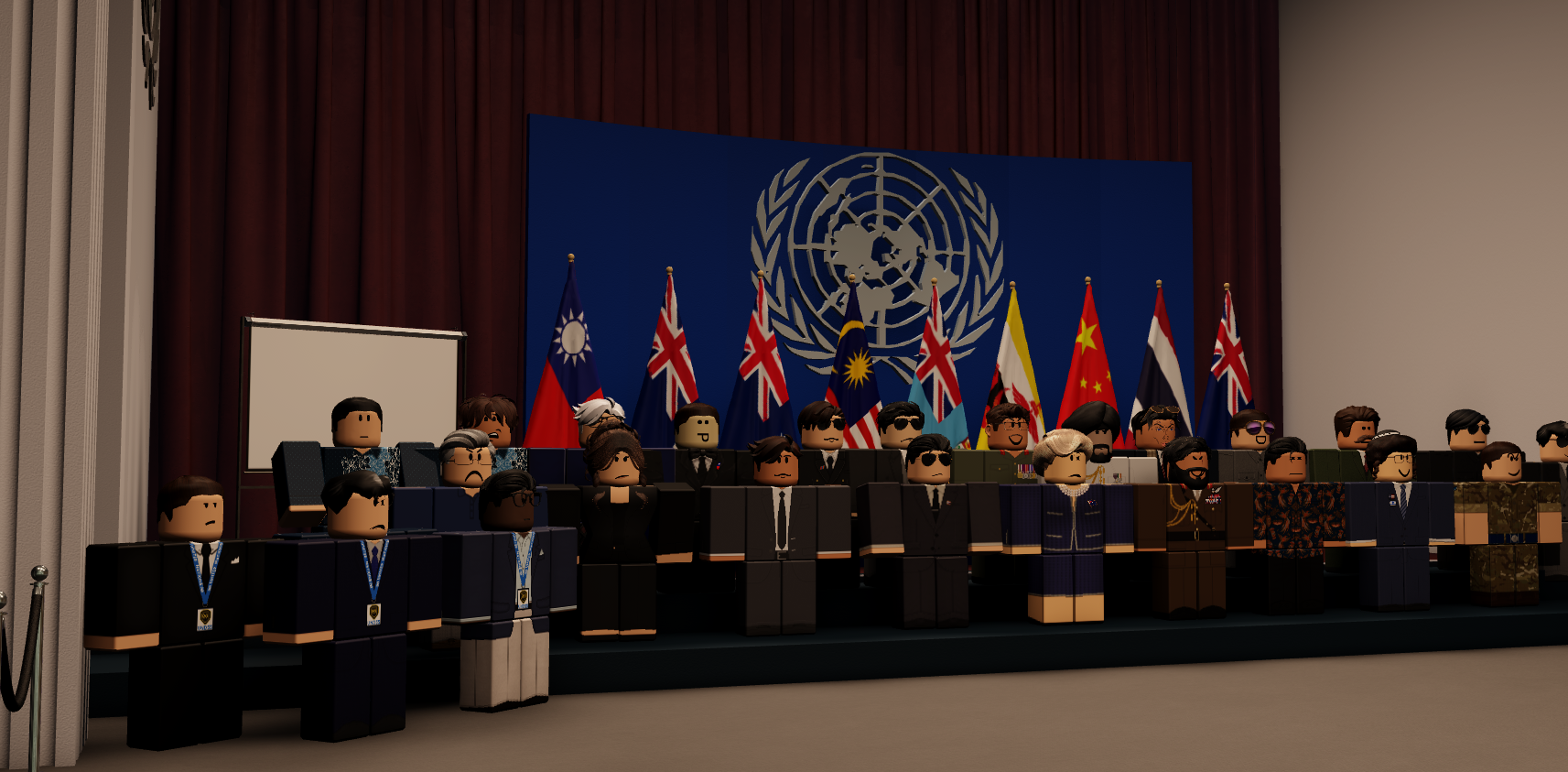
The United Nations is facing a fast-moving withdrawal crisis after the expulsion of the Hashemite Kingdom of Jordan passed in both the General Assembly and, later the same evening, the Security Council on Saturday, 14 February 2026.
The vote, triggered by Sweden's proposal of the Expulsion of the Hashemite Kingdom of Jordan resolution, immediately became a flashpoint across the international feed. Diplomats and ministries framed the outcome in sharply different terms: some described it as overdue enforcement, while others called it a dangerous precedent that could reshape the institution's future.
View Resolution TextInternational Feed Reaction
Public statements began within minutes of the vote. Finland praised supporters of the measure and urged further backing ahead of the Security Council stage, while Russia initially thanked states that supported the resolution and called the UNGA result a decisive institutional moment.
Finland
Backed the resolution as a vote for institutional standards and urged delegates to continue support at the UNSC session that followed.
Russia (Initial Position)
Thanked member states that voted in favour and described the UNGA result as an unprecedented show of support for corrective action.
Colombia & Argentina
Issued strongly critical statements warning that expulsion politics could be normalised and undermine trust in the institution.
Malaysia
Supported the vote outcome, defended the Secretariat line, and criticised what it described as theatrical exits by low-activity states.
WITHDRAWN NATIONS Counter
- Brittany
- Iraq
- Bahrain
- Brazil
- Bolivia
- Portugal
- Russia
How the Crisis Unfolded
- Saturday, 14 February: Sweden introduces the Jordan expulsion resolution at the UNGA.
- Later that evening: Resolution clears both the UNGA and the Security Council.
- Immediate aftermath: Major public statements appear from Finland and Russia in support of the vote.
- Following days: Multiple states publish withdrawal notices, while others defend the decision and Secretariat leadership.
- Current phase: The organisation now faces competing blocs: one demanding institutional reset, the other insisting the expulsion was necessary and legitimate.
Several withdrawal declarations shared recurring themes: concern over precedent, allegations of politicisation, and claims that trust between member states and institutional leadership has eroded. In contrast, governments supporting the vote argue that enforcement of standards cannot be deferred and that the institution must protect its long-term credibility.
Russia's later withdrawal marked a notable turn, given its earlier support for Jordan's removal. In its exit statement, Moscow accused leadership of bad-faith coordination and said confidence in equal treatment had collapsed.
What Happens Next
Diplomatic observers now expect two parallel tracks in the short term: first, efforts by remaining members to stabilise participation and prevent further exits; second, a broader argument over whether the Jordan vote should be treated as an exceptional case or a reusable template for future disputes.
For now, the crisis is defined not by a single speech or vote, but by momentum. The coming days will determine whether withdrawals slow into symbolic protest or harden into a larger restructuring of the UN system.
Secretary-General Response
In a statement published this morning, Secretary-General Pacificanity said the secretariat acknowledges two separate causes of the current exodus: the Jordan expulsion crisis and tensions involving the Russian Federation. The statement says the secretariat did not publicly push for Jordan's expulsion, describes regret over how events were handled, and includes an apology for what the Secretary-General called a break in neutrality.
The statement also says the secretariat will appear before the Security Council at an upcoming summit to address allegations of misconduct, and that the Secretary-General would submit a resignation to the General Assembly if found in contempt of the charter.
View Secretary-General StatementThe Department of Foreign Affairs is yet to release a statement on the situation.