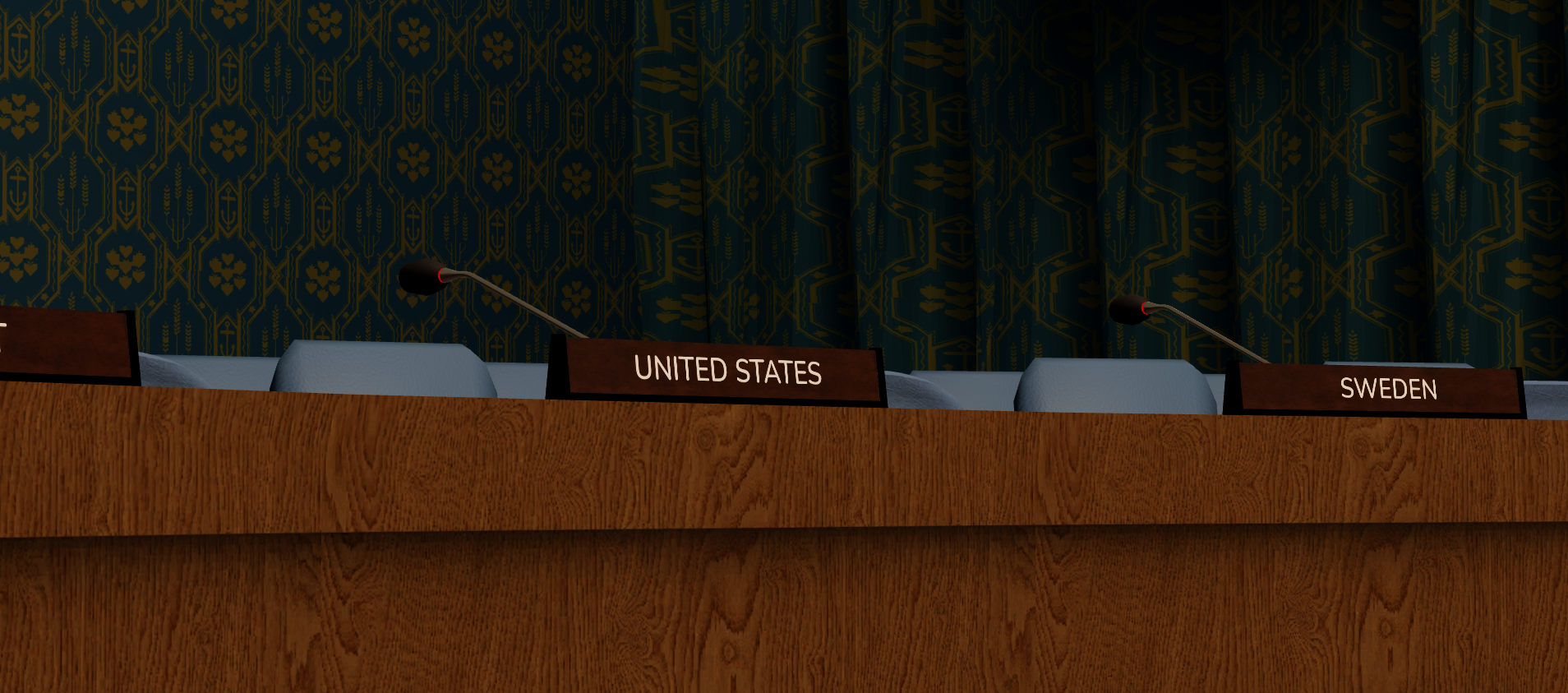
A weekend of high-stakes diplomacy at the United Nations has ended without a breakthrough, after a series of General Assembly votes on reforming the permanent membership of the Security Council failed to reach the required threshold.
Origins of the reform push
The push to reshape the P5 began last weekend, when the United Kingdom and the Netherlands jointly tabled a resolution proposing that Ireland and Canada be removed from the group of permanent members, with China and Italy taking their place instead.
The proposal caught many observers off guard, not least because of the make-up of its backers. Ireland has long counted the United States among its closest diplomatic partners, yet Washington broke ranks to support the original UK-Netherlands resolution targeting Dublin's seat, a move that several diplomats described privately as a significant shift in the US approach to Security Council reform.
A second resolution, and a twist
The situation grew more complicated this weekend, when the United States tabled a resolution of its own. Rather than simply endorsing the UK-Netherlands plan, Washington proposed replacing Mexico with itself on the P5.
The manoeuvre effectively split the reform camp into competing blocs, with delegations forced to weigh up two different visions of what a reshaped Security Council should look like.
Three votes, three failures
The resolution went to the General Assembly floor and failed to pass on each occasion it was put to a vote.
First vote: 14 in favour, 12 against, 1 abstention.
Second vote: 11 in favour, 14 against, 2 abstentions, with support falling away compared to the first count.
Notably, the Netherlands, one of the original co-sponsors of the broader reform push, declined to back the measure, while the United Kingdom did not cast a vote at all, leaving question marks over the durability of the alliance that had launched the reform effort just a week earlier.
Reaction
Delegations at the UN said the collapse of support between the first and second votes reflected unease among member states about the shifting terms of the reform proposal, particularly the US decision to insert itself into the process after initially backing a plan that would have removed Ireland rather than added Washington to the list of new permanent members.
There has been no formal comment yet from the Irish government on the outcome, though sources familiar with Ireland's UN mission said the result would be seen in Dublin as a reprieve, at least for now.
It remains unclear whether the UK, the Netherlands, or the United States plan to bring forward a revised resolution in the coming weeks, or whether the wider push to reform the Security Council's permanent membership has stalled for the time being.
Back to RTÉ News